
In today’s fast-paced world, stress has become a daily reality for many people. What often goes unnoticed is how closely stress is tied to sleep—and more specifically, how it impacts sleep apnea and your ability to stay consistent with CPAP therapy.
If you’ve ever felt too overwhelmed to use your CPAP machine, or noticed your sleep getting worse during stressful periods, you’re not alone. The connection between stress, sleep apnea, and CPAP compliance is real—and understanding it is the first step toward better sleep and better health.
How Stress Disrupts Sleep
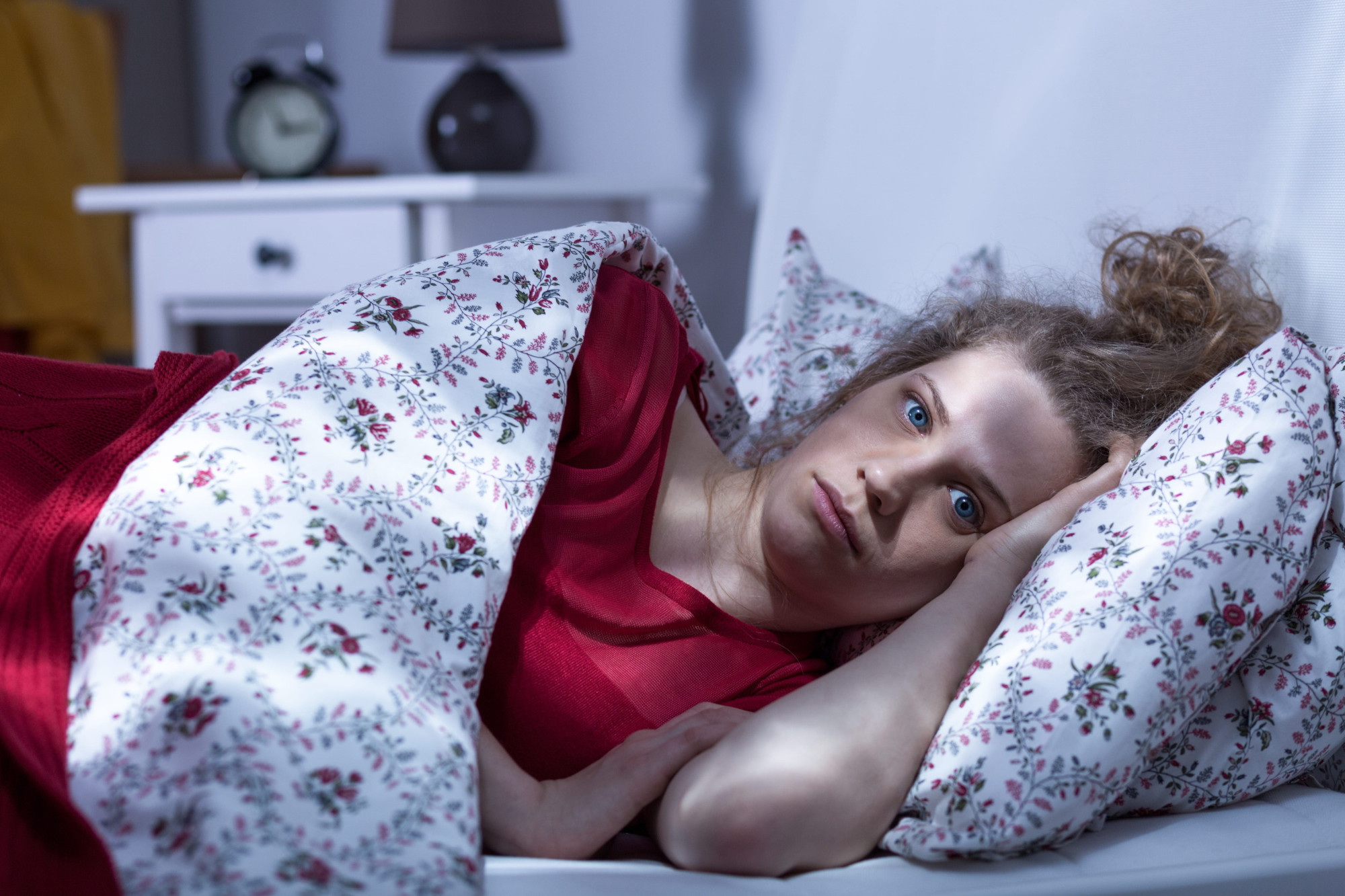
Stress activates your body’s “fight or flight” response, increasing cortisol levels and keeping your mind alert—even when your body needs rest. Stress disrupts sleep by keeping your mind and body in a heightened state of alertness when they should be winding down. When you’re stressed, your body releases cortisol and other stimulating hormones that make it harder to relax, fall asleep, and stay asleep. This can lead to racing thoughts, frequent awakenings, and lighter, less restorative sleep—leaving you feeling tired even after a full night in bed.
This can lead to:
- Difficulty falling asleep
- Frequent nighttime awakenings
- Shallow or restless sleep
- Increased fatigue during the day
For individuals with sleep apnea, these disruptions can amplify existing breathing issues, making sleep even less restorative.
The Link Between Stress and Sleep Apnea
While stress doesn’t directly cause sleep apnea, it can significantly worsen symptoms and outcomes.
Here’s how:
- Increased Muscle Tension: Stress can cause tension throughout the body, including the airway, potentially contributing to more frequent breathing interruptions during sleep.
- Weight Fluctuations: Chronic stress can lead to weight gain (or loss), which plays a role in obstructive sleep apnea severity.
- Poor Sleep Quality: Stress-related insomnia combined with sleep apnea creates a cycle of compounded sleep deprivation, leaving you feeling even more exhausted.
- Heightened Inflammation: Stress increases inflammation in the body, which may further impact airway health and overall respiratory function.
How Stress Affects CPAP Compliance
Even when patients know CPAP therapy is essential, stress can make it harder to stay consistent. Stress can significantly impact CPAP compliance by making it harder to maintain consistent routines and tolerate therapy. When you’re overwhelmed or fatigued, even simple tasks—like setting up your CPAP machine or wearing your mask—can feel like too much effort.
Stress can also increase sensitivity to discomfort, making the mask feel more intrusive or triggering feelings of anxiety or claustrophobia. As a result, many users may skip nights or remove the mask early, reducing the effectiveness of treatment. Over time, this inconsistency can lead to a cycle of poor sleep and increased stress, making it even more difficult to stay on track with therapy.
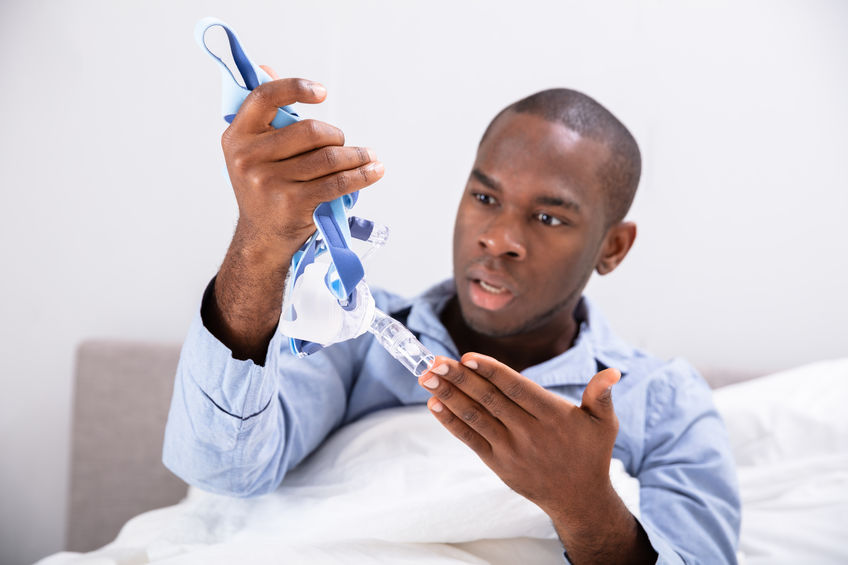
Common challenges include:
- Feeling too tired or overwhelmed to set up the machine
- Increased sensitivity to the mask or airflow
- Anxiety or claustrophobia when wearing the mask
- Skipping nights due to disrupted routines
Over time, inconsistent CPAP use can reduce the effectiveness of therapy and allow symptoms to return.
Breaking the Cycle: Managing Stress to Improve CPAP Success
The good news is that small, intentional changes can make a big impact on both your stress levels and your CPAP compliance.
- Establish a Wind-Down Routine: Create a calming pre-sleep ritual—reading, stretching, or deep breathing—to signal your body it’s time to rest.
- Keep a Consistent Sleep Schedule: Going to bed and waking up at the same time each day helps regulate your internal clock and improves sleep quality.
- Make CPAP Part of the Routine: Set up your CPAP machine before you get tired. When it becomes second nature, you’re less likely to skip it.
- Address Comfort Issues: If your mask feels uncomfortable or your pressure settings feel off, don’t ignore it. Small adjustments can make a big difference in long-term use.
- Reduce Evening Stressors: Limit screen time, work, and stimulating activities before bed to help your mind unwind.
Why CPAP Therapy Actually Helps Reduce Stress
Here’s the part many people don’t realize:
“It’s proven that consistent CPAP use can actually lower stress levels over time.”
A clinical study found that CPAP therapy reduced cortisol levels and blood pressure in people with obstructive sleep apnea. [READ STUDY: https://pubmed.ncbi.nlm.nih.gov/34323304/]
Another study has linked obstructive sleep apnea to depression and mood disturbances, which are often improved with CPAP treatment. [READ STUDY: https://publications.ersnet.org/content/erj/47/2/531]
As the above studies prove, when you sleep better:
- Your body produces less cortisol
- Your mood improves
- Your energy and focus increase
- You feel more in control of your day
CPAP therapy doesn’t just improve your breathing at night—it plays a powerful role in reducing stress throughout your entire day. When sleep apnea is untreated, your body remains in a constant state of disruption, leading to elevated cortisol levels, fatigue, irritability, and difficulty managing everyday challenges.
Consistent CPAP use restores normal breathing patterns, allowing for deeper, more restorative sleep. As a result, your body can properly regulate stress hormones, improve mood stability, and enhance mental clarity. Simply put, better sleep leads to a calmer, more balanced nervous system—helping you feel more in control, more focused, and better equipped to handle daily stress.
The Bigger Picture: Sleep Is Foundational to Health
Sleep apnea isn’t just a nighttime issue—it affects your cardiovascular health, mental well-being, and overall quality of life. When combined with chronic stress, the impact can be even greater.
That’s why prioritizing both stress management and CPAP compliance is essential.
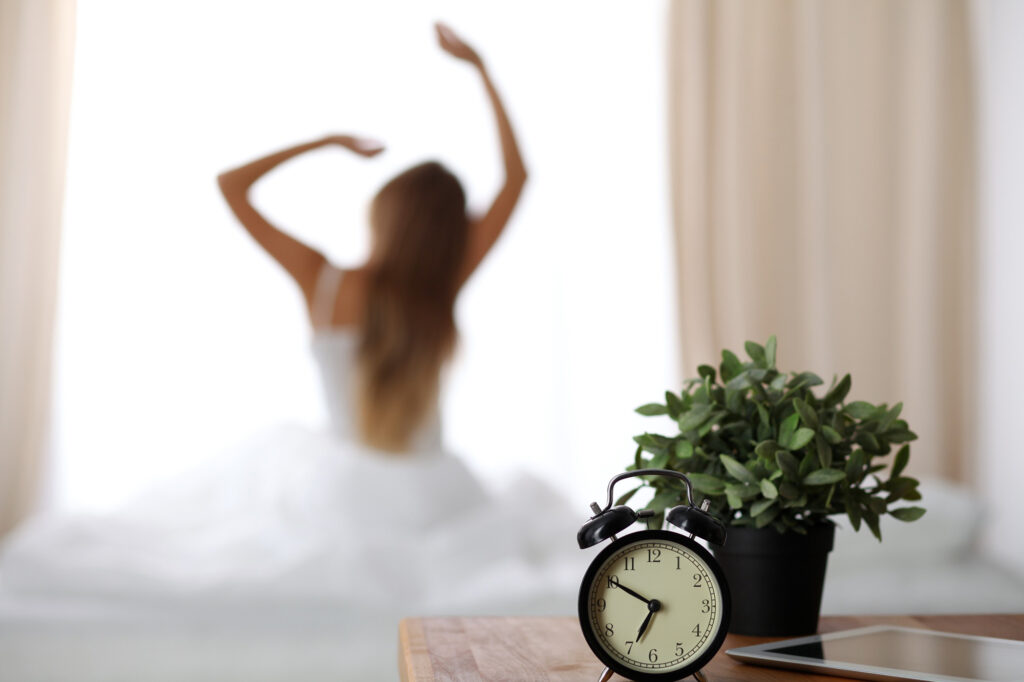
Sleep is one of the most important—and often underestimated—pillars of overall health. It’s during sleep that your body repairs tissues, regulates hormones, supports brain function, and restores energy for the day ahead. When sleep is disrupted, especially by conditions like sleep apnea, it can impact everything from heart health and metabolism to mood, memory, and immune function. Over time, poor sleep doesn’t just lead to fatigue—it increases the risk of serious health conditions and reduces overall quality of life. Prioritizing healthy, consistent sleep isn’t a luxury—it’s a necessity for long-term wellness and daily performance.
Take Control of Your Stress—Start with Better Sleep
If stress is affecting your sleep, and your sleep is affecting your daily life, it’s time to break the cycle. Better rest isn’t just possible—it’s within reach. With the right CPAP equipment, proper support, and a commitment to consistent use, you can improve your sleep quality and reduce the physical and mental toll of stress.
At Everything CPAP, we’re here to help you every step of the way—from finding the right mask to improving your comfort and compliance.
Breathe better. Sleep deeper. Feel more in control. Explore our products, get expert guidance, and take the first step toward a healthier, less stressful life today.