
If you’ve lived through an Idaho summer, you know that some nights just don’t cool off the way you’d hope. After spending the day enjoying the sunshine, hiking, camping, or simply working outside, the last thing anyone wants is to lie awake because the bedroom is too warm.
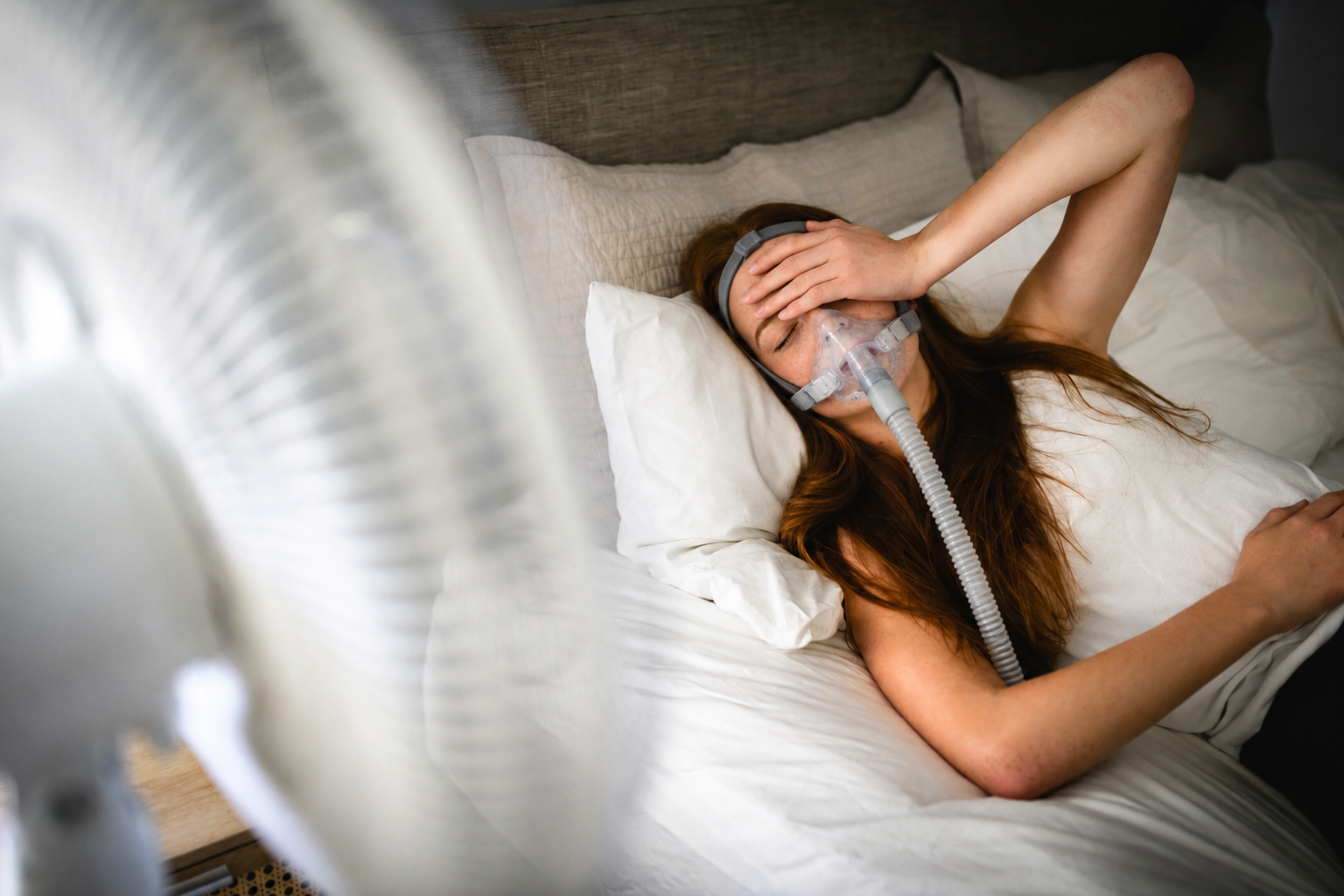
If you use CPAP therapy, summer can present a few extra challenges. Maybe your mask feels warmer than usual, your tubing seems to collect more moisture, or you’re tempted to skip your CPAP because it’s just too uncomfortable.
The good news? You don’t have to choose between staying cool and sleeping well. A few simple adjustments can make a big difference and help you stay comfortable while continuing the therapy that’s helping you breathe—and sleep—better.
Why Summer Can Make Sleeping More Difficult
Our bodies are naturally programmed to cool down before we fall asleep. As bedtime approaches, your brain signals a drop in your core body temperature, helping prepare you for restful sleep. It’s one of the many ways your body’s internal clock, known as the circadian rhythm, keeps your sleep-wake cycle on track.
When your bedroom stays warm, your body has to work harder to cool itself. Instead of relaxing into sleep, you may find yourself tossing and turning, flipping your pillow to the cool side, or waking up throughout the night feeling hot.
Even if you spend eight hours in bed, you may wake up feeling anything but rested.
How Summer Can Affect Your CPAP Therapy
For people living with obstructive sleep apnea, a hot bedroom can make CPAP therapy feel less comfortable—but that doesn’t mean you should take a break from treatment.
Warm temperatures and higher humidity can make wearing a mask feel different than it does during cooler months. Some people notice:
- Feeling warmer while wearing their mask
- More moisture collecting in the tubing
- Increased nasal congestion from seasonal allergies
- Mask leaks caused by perspiration
- A temptation to remove the mask during the night
These challenges are common, but they’re also manageable.
Skipping CPAP, even for a night or two, allows sleep apnea symptoms to return. That means your breathing may repeatedly stop and start throughout the night, reducing oxygen levels and interrupting restorative sleep.
Many people notice they wake up with:
- Morning headaches
- Dry mouth
- Daytime fatigue
- Poor concentration
- Irritability
- Loud snoring that returns almost immediately
Consistency is one of the most important factors in successful CPAP therapy. Rather than stopping treatment, it’s usually better to make small adjustments that improve comfort.
Everything CPAP’s Summer Sleep Tips
Keep Your Bedroom Cool
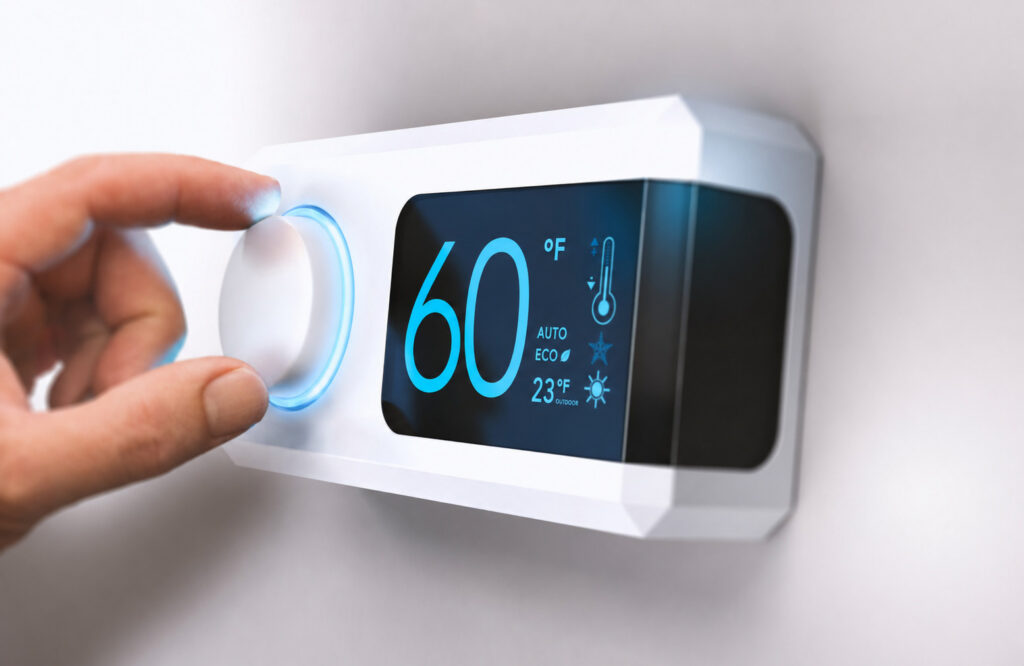
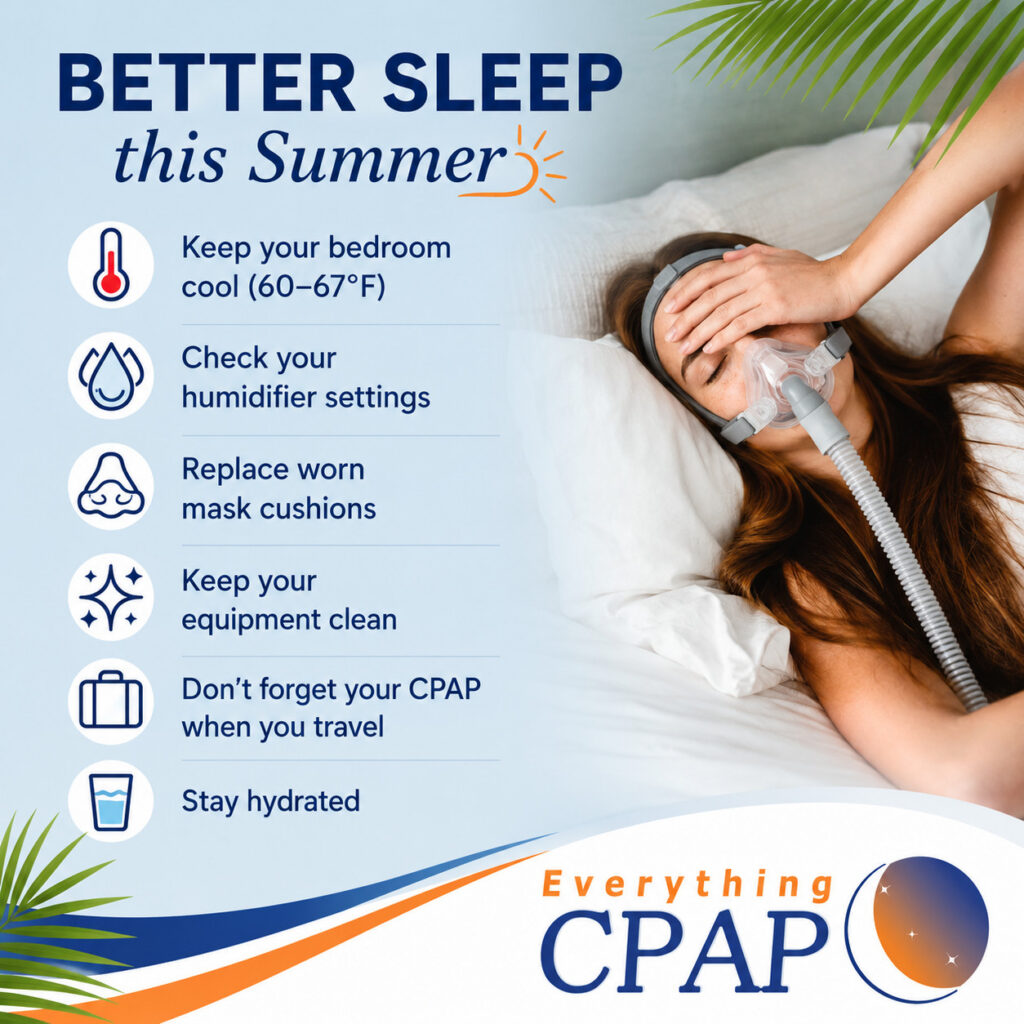
Sleep experts recommend keeping your bedroom between 60 and 67 degrees Fahrenheit whenever possible. Air conditioning, ceiling fans, blackout curtains, or a portable fan can help create an environment that’s more comfortable for sleeping.
Check Your Humidifier Settings
Your humidifier settings may need to change with the seasons. If your therapy suddenly feels too warm or you notice excess moisture in your tubing, adjusting your humidity level may improve comfort.
If you’re unsure what settings are best for you, don’t hesitate to ask—we’re happy to help.
Replace Worn Mask Cushions
Summer heat, perspiration, sunscreen, and facial oils can cause mask cushions to wear more quickly. If your mask has started leaking or doesn’t seal like it used to, it may simply be time for a replacement cushion.
A well-fitting mask is one of the easiest ways to improve comfort and maintain effective therapy.
Keep Your Equipment Clean
Warm weather can encourage moisture buildup inside your tubing and mask. Regular cleaning helps keep your equipment working properly while reducing bacteria, mold, and unpleasant odors.
Following your recommended cleaning schedule is one of the simplest ways to protect both your equipment and your health.
Stay Hydrated
Proper hydration helps your body regulate temperature more effectively throughout the day. While it’s important to drink enough water, try to avoid drinking large amounts immediately before bedtime to minimize nighttime trips to the bathroom.
Don’t Leave Your CPAP Behind
Summer often means vacations, camping trips, and weekend getaways. Before heading out, take a few minutes to make sure you’ve packed:
- Your CPAP machine
- Mask and headgear
- Tubing
- Power supply
- Filters
- Extension cord (if needed)
If you’re flying, remember that CPAP machines are considered medical devices and generally do not count toward your airline carry-on allowance.
When Summer Fatigue Might Be More Than the Heat
It’s normal to feel a little sluggish after a restless night during a heat wave. But if you’re consistently waking up exhausted despite using your CPAP, don’t assume it’s “just the weather.”
Persistent fatigue may be a sign that something else is affecting your therapy, such as:
- A mask that no longer fits properly
- Pressure settings that need to be reviewed
- Increased mask leak
- Weight changes
- Seasonal allergies affecting your breathing
- Another sleep-related condition
If something doesn’t feel right, don’t ignore it. A quick conversation with your sleep provider or CPAP supplier can often identify simple solutions that make therapy more comfortable and effective.
Better Sleep Doesn’t Take the Summer Off
Summer should be about making memories—not losing sleep.
While we can’t control the weather, we can make choices that help our bodies rest more comfortably. Keeping your bedroom cool, maintaining your CPAP equipment, and staying consistent with your therapy can make a noticeable difference in how you feel each day.
At Everything CPAP, we know that successful therapy isn’t just about having the right machine—it’s about making sure your treatment fits your lifestyle all year long.
If the summer heat has made your CPAP less comfortable, or if you’ve been putting off replacing your mask or supplies, we’re here to help. Whether you need equipment, troubleshooting, or simply have questions about your therapy, our team is always happy to help you sleep your best.
Here’s to cooler nights, better sleep, and enjoying everything summer has to offer.
References
- American Academy of Sleep Medicine. Healthy Sleep Habits.
- National Sleep Foundation. Sleep Environment and Bedroom Temperature.
- National Heart, Lung, and Blood Institute. Why Is Sleep Important?
- Okamoto-Mizuno K, Mizuno K. Effects of Thermal Environment on Sleep and Circadian Rhythm. Journal of Physiological Anthropology. 2012;31:14.
- Kräuchi K, Deboer T. The Interrelationship Between Sleep Regulation and Thermoregulation. Frontiers in Bioscience. 2010;15:604–625.