

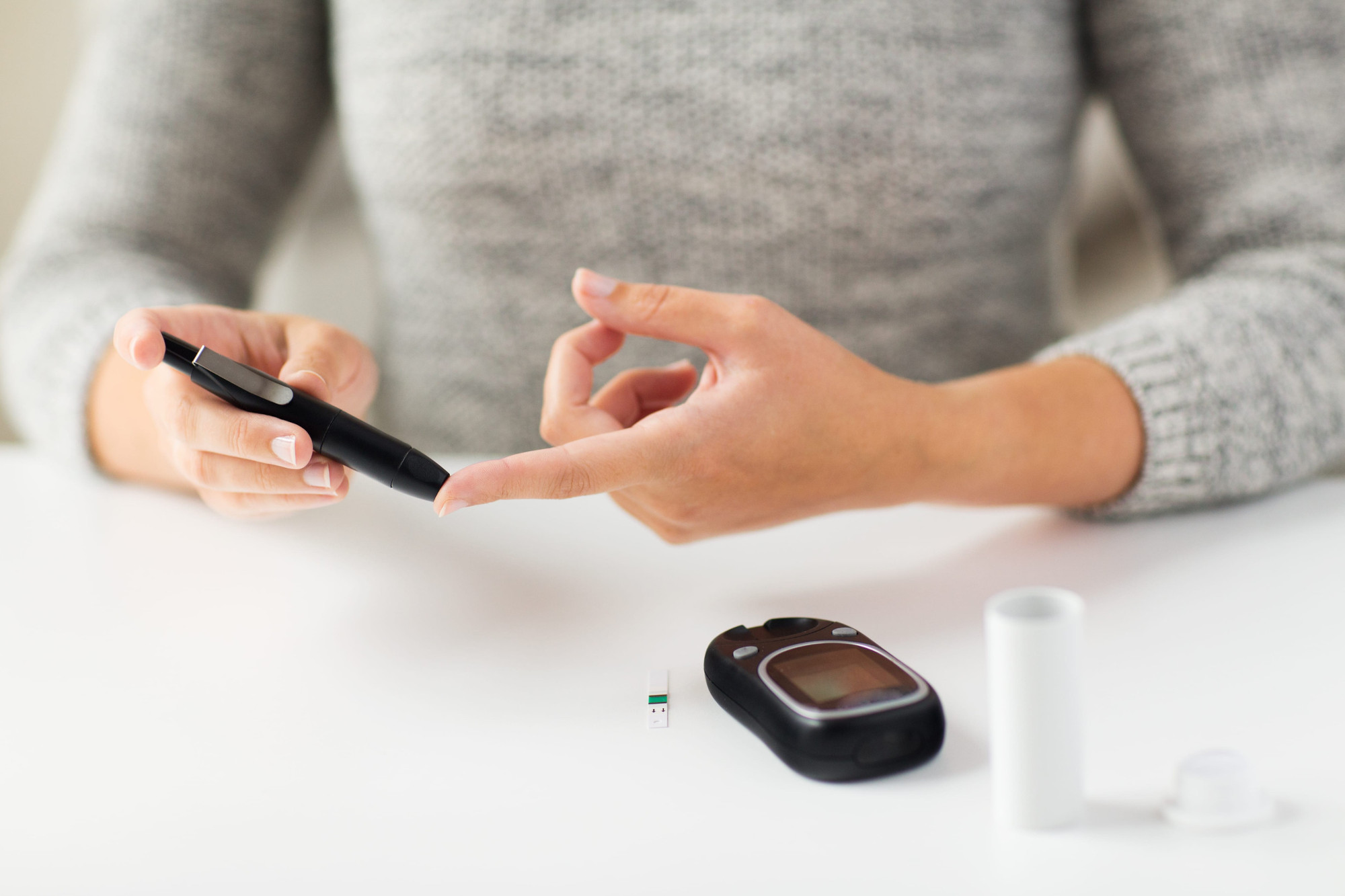
How Sleep Apnea and Poor Sleep Can Affect Blood Sugar, Metabolic Health, and Overall Well-Being
November is American Diabetes Month, a time to raise awareness about diabetes, its risk factors, and the importance of prevention and ongoing management.
Most conversations about diabetes focus on nutrition, physical activity, weight management, and medication. These are all important, but there is another factor that deserves more attention: sleep.
Sleep is much more than a time for the body to rest. It plays an important role in hormone regulation, metabolism, appetite, and the body’s ability to manage blood glucose.
And when sleep is consistently disrupted, the effects can extend well beyond feeling tired the next morning.
The Connection Between Sleep and Blood Sugar
Research has shown that insufficient sleep and disrupted sleep patterns can affect insulin sensitivity and glucose metabolism.
When we don’t get enough quality sleep, changes in hormones involved in appetite and stress can make blood sugar regulation more challenging. Fatigue can also make it harder to maintain healthy eating habits and stay physically active.
Over time, these factors may contribute to increased metabolic risk.
This doesn’t mean that a few nights of poor sleep will cause diabetes. The relationship is complex, but sleep is increasingly recognized as an important part of overall metabolic health.
Sleep Apnea and Type 2 Diabetes
One of the most important connections involves obstructive sleep apnea (OSA).
OSA occurs when the upper airway repeatedly becomes partially or completely blocked during sleep, interrupting normal breathing. These events can cause oxygen levels to fall, trigger brief arousals, and activate the body’s stress response.
For someone with OSA, this cycle may happen dozens, or even hundreds, of times throughout the night.
Repeated breathing interruptions and fragmented sleep can contribute to physiological stress and changes in insulin sensitivity.
The relationship also appears to work in both directions. OSA is common among people with type 2 diabetes, and sleep-disordered breathing is associated with an increased risk of developing type 2 diabetes.
The American Diabetes Association’s Standards of Care in Diabetes—2026 recognizes this connection and specifically recommends screening people with diabetes, prediabetes, and those at risk for diabetes for sleep health concerns, including sleep disorders.
That’s an important message: sleep health should be part of the diabetes conversation.
Can CPAP Help?
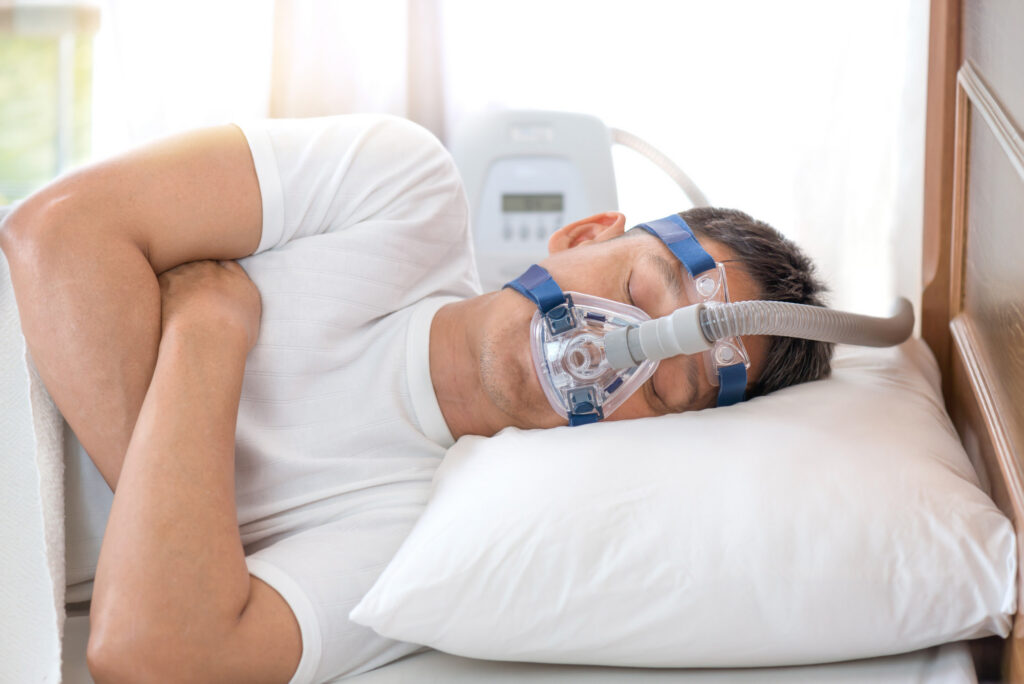
For people diagnosed with OSA, CPAP therapy helps keep the airway open during sleep, reducing breathing interruptions and improving sleep quality.
But can it also improve blood sugar?
Some research suggests it may.
A 2023 systematic review and meta-analysis of randomized clinical trials involving people with both OSA and type 2 diabetes found that CPAP treatment was associated with a modest reduction in HbA1c, a measure of average blood glucose over approximately two to three months.
However, results across individual studies have been mixed. CPAP should not be considered a treatment for diabetes or a replacement for prescribed medication, nutrition, or physical activity.
Its primary purpose is to treat sleep apnea. Any potential metabolic benefit is an additional consideration, not a guaranteed outcome.
Other Sleep Problems Matter, Too
Sleep apnea isn’t the only sleep disorder that can affect people with diabetes.
Insomnia, restless legs syndrome, irregular sleep schedules, and diabetes-related nighttime disruptions can all interfere with restorative sleep.
For people managing diabetes, nighttime blood glucose fluctuations and concerns about hypoglycemia can also affect sleep quality.
Recognizing these problems is important. Persistent sleep difficulties shouldn’t simply be dismissed as a normal part of living with diabetes.
Making Sleep Part of the Bigger Picture
Improving sleep doesn’t have to involve an elaborate routine. A few consistent habits can help:
- Maintain a regular bedtime and wake-up schedule.
- Allow enough time for sleep—most adults need at least seven hours.
- Keep the bedroom dark, quiet, and comfortably cool.
- Stay physically active during the day.
- Limit caffeine later in the day and be mindful of alcohol before bedtime.
- Talk with a healthcare professional about persistent snoring, daytime sleepiness, or other sleep concerns.
The American Diabetes Association now specifically recommends screening for sleep health and counseling people with diabetes about sleep-promoting habits.
That’s an important step toward recognizing that diabetes care involves more than what happens during waking hours.
Sleep is not separate from your health. It is part of it.
This November, during American Diabetes Month, let’s remember that better health may begin with paying attention to what happens while we’re asleep.
References
1. American Diabetes Association Professional Practice Committee. 5. Facilitating Positive Health Behaviors and Well-being to Improve Health Outcomes: Standards of Care in Diabetes—2026. Diabetes Care. 2026;49(Suppl 1). Read the guidelines.
2. Effects of continuous positive airway pressure therapy on glucose metabolism in patients with obstructive sleep apnoea and type 2 diabetes: a systematic review and meta-analysis. 2023. PubMed.